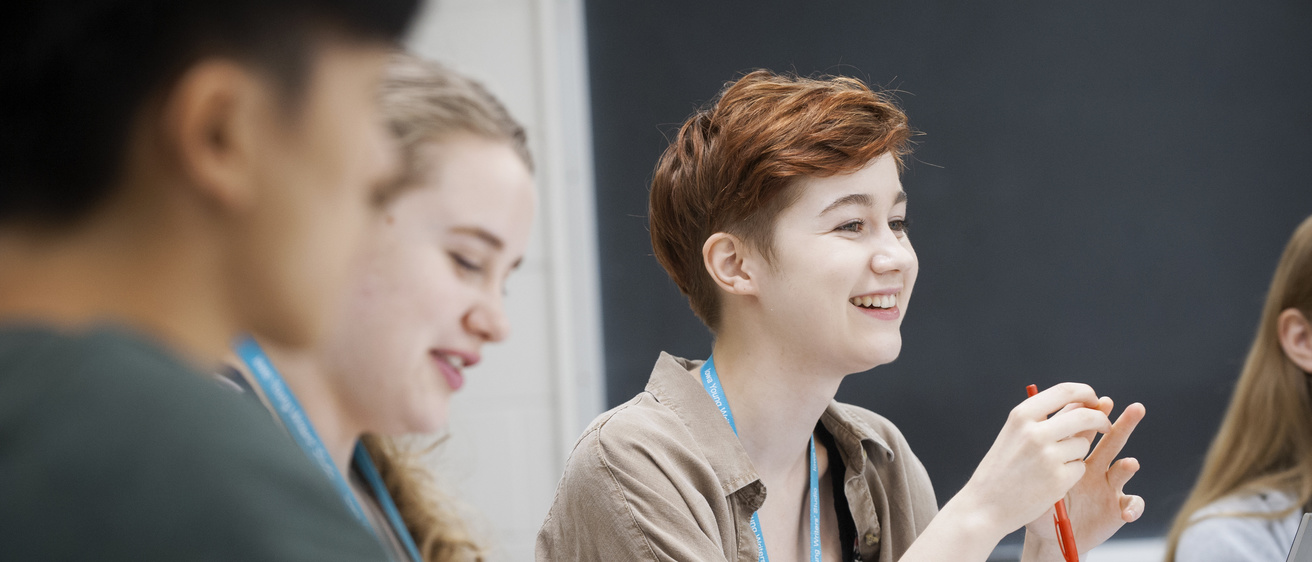
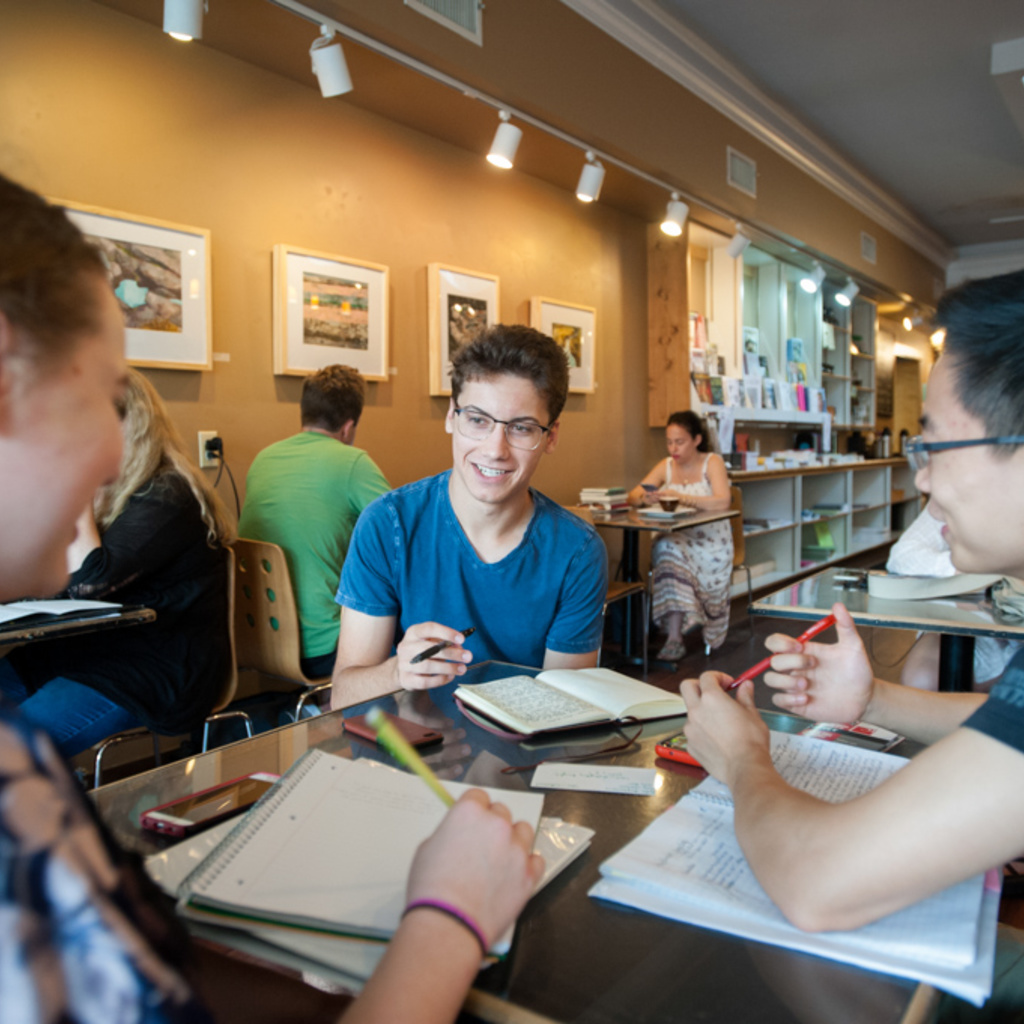
2-Week Summer Residential Program
At the Summer Residential Program, you will choose a single core course—Poetry, Fiction, Creative Writing, Playwriting, or TV writing—as your focus for the two weeks of the program.
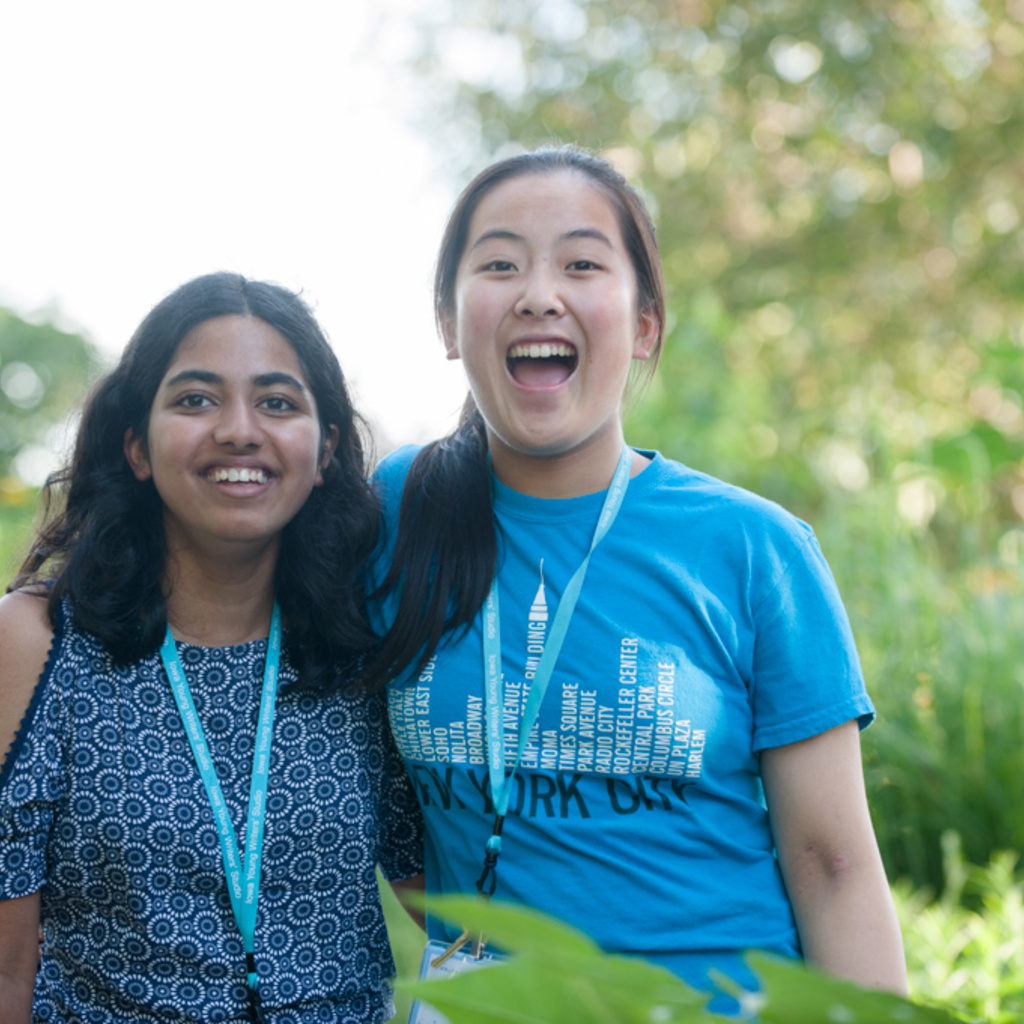
6-week Online Courses
We offer asynchronous 6-week online creative writing courses for high school students every winter and summer. You can study creative writing with us your own schedule, from anywhere in the world!
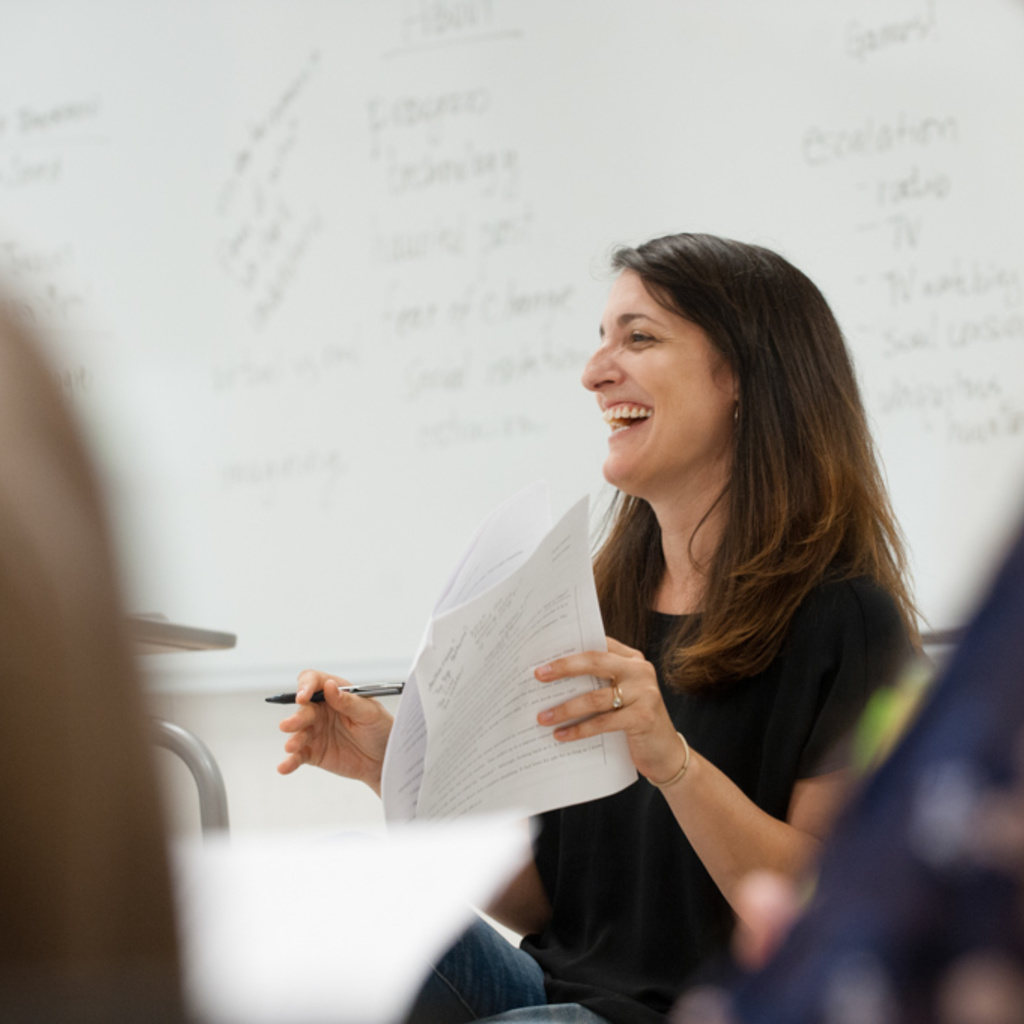
Teachers and Counselors
Teachers and counselors at the Iowa Young Writers’ Studio are chosen, with rare exceptions, from among the students and graduates of the Iowa Writers’ Workshop at the University of Iowa.
Experience the Iowa Young Writers' Studio
Watch this short video for an inside look at the Iowa Young Writers’ Studio experience.
News
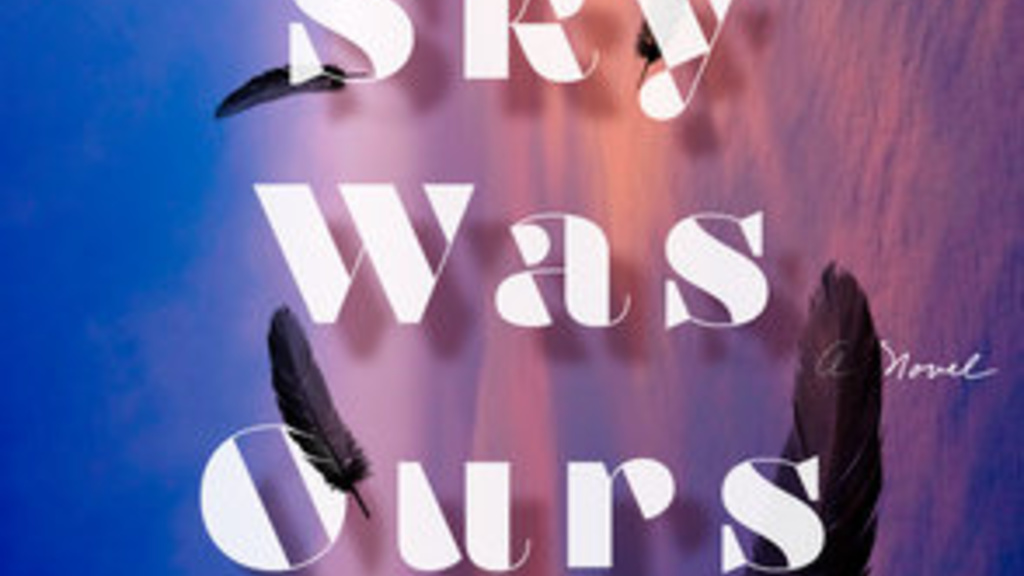
IYWS Alum Joe Fassler To Publish Debut Novel, THE SKY WAS OURS
Wednesday, November 15, 2023
Joe Fassler, a former student and instructor with the Iowa Youth Writers' Studio, has published his first novel, THE SKY WAS OURS, forthcoming in April 2024 from Penguin Books.
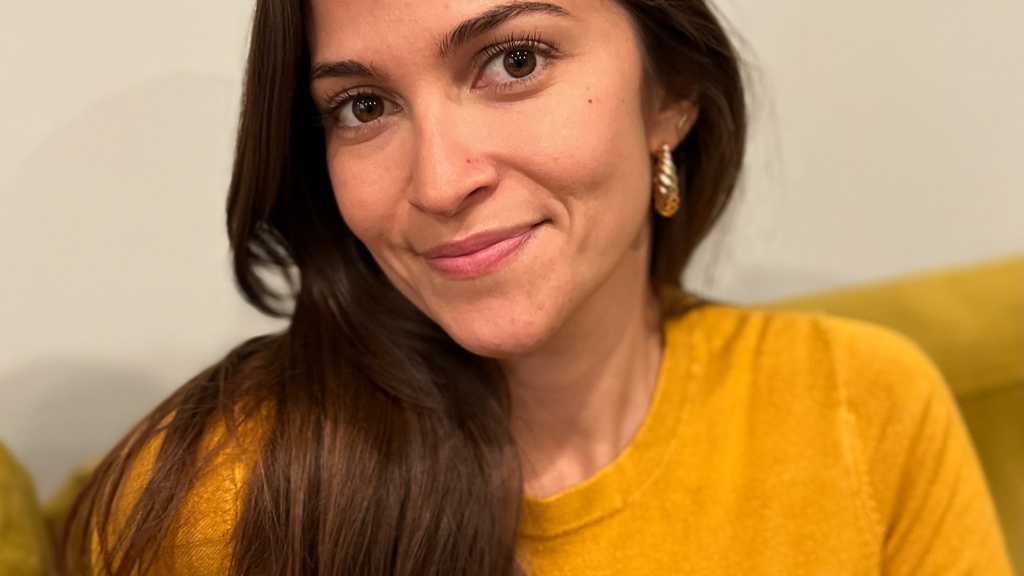
IYWS ’19 Student Alora Young Publishes Memoir in Verse
Thursday, December 1, 2022
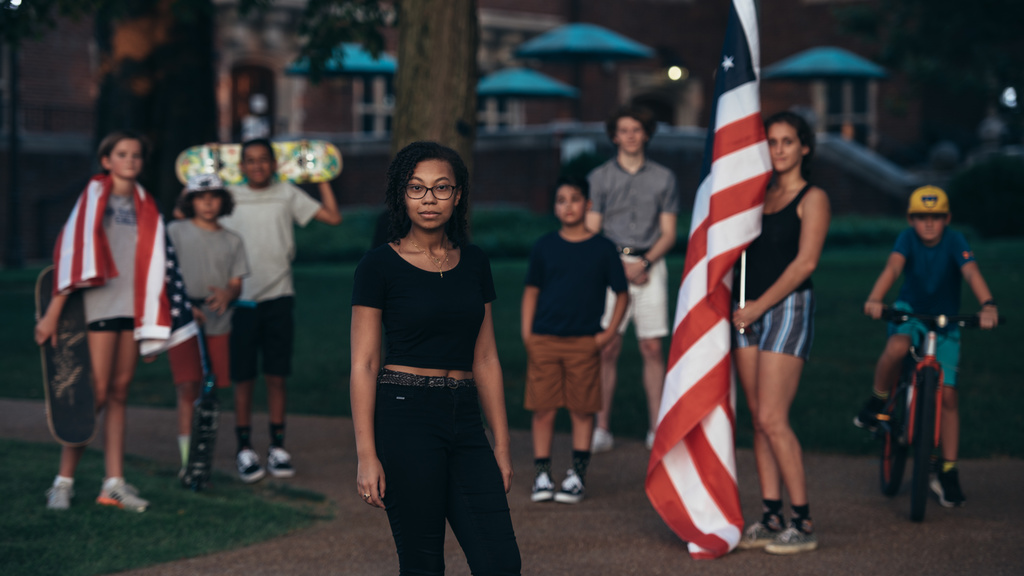
Alora Young, who attended the Summer Residential Program in 2019 and studied fiction writing with Jamel Brinkley, has published her first book, Walking Gentry Home: A Memoir of My Foremothers in Verse, with Hogarth Books.
IYWS ’22 Student Publishes YA Book About Her Grandmother’s Holocaust Experience
Thursday, December 1, 2022
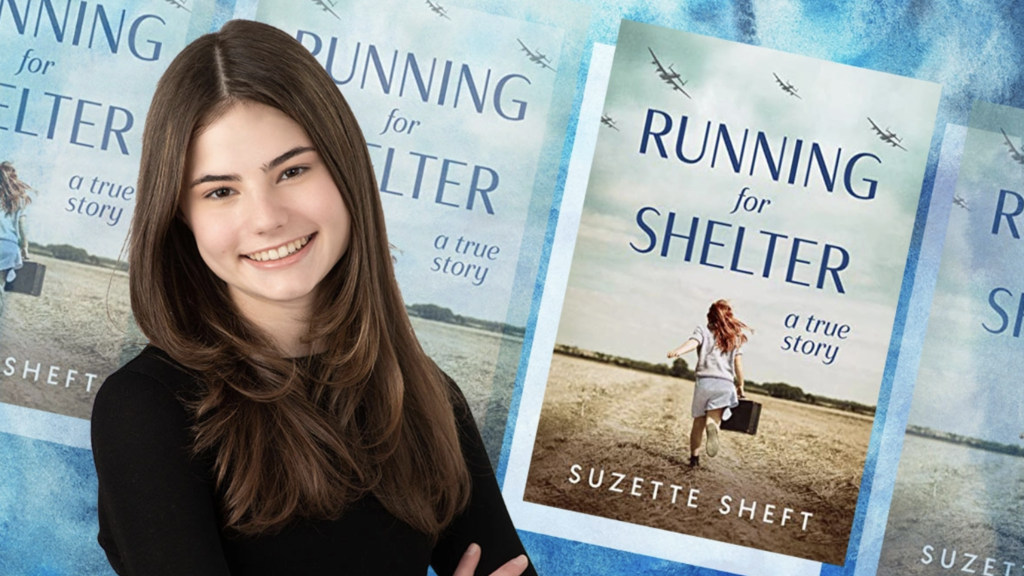
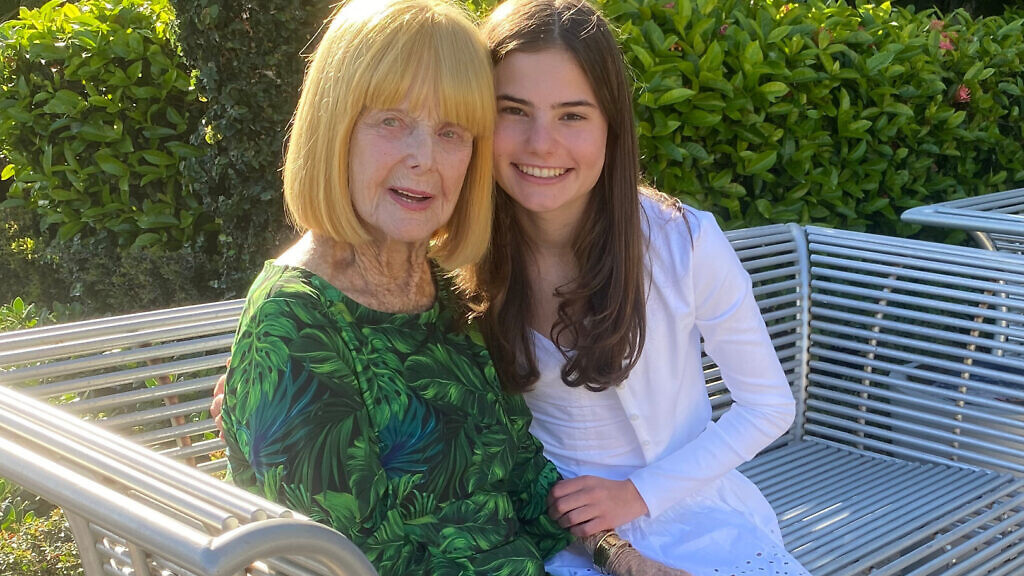
IYWS ’22 Student Suzette Sheft, who attended the in-person Summer Residential Program this past June, has published a novelistic nonfiction account of her grandmother’s holocaust experience that is getting attention across the world. “It’s not a novel,” Sheft says. “Everything in it is true. I just believe that borrowing the literary and dramatic tools of fiction helps young readers connect with characters and helps stories stay longer in their minds.”
IYWS ’11 Student Alina Grabowski To Publish Debut Novel
Wednesday, November 30, 2022
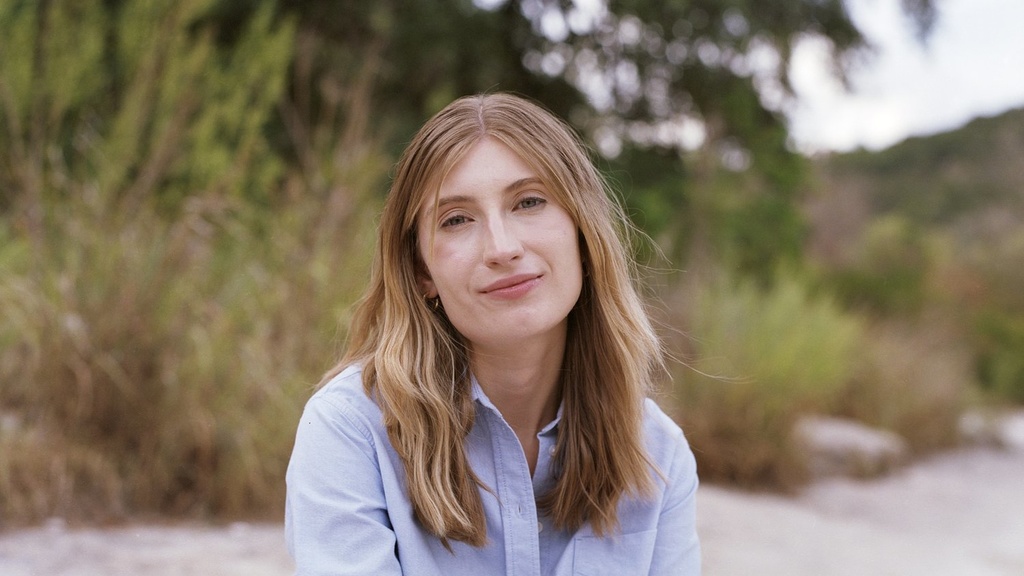
Alina Grabowski, who attended the Summer Residential Program in 2011, will publish her debut novel, Women and Children First, with SJPLit/Zando in 2024. Alina’s short story “Girl Walks Into a Bar” was listed as a distinguished story in The Best American Short Stories 2021.Wednesday, November 30, 2022